Al Ain Palace Museum: Royal roots, Emirati soul
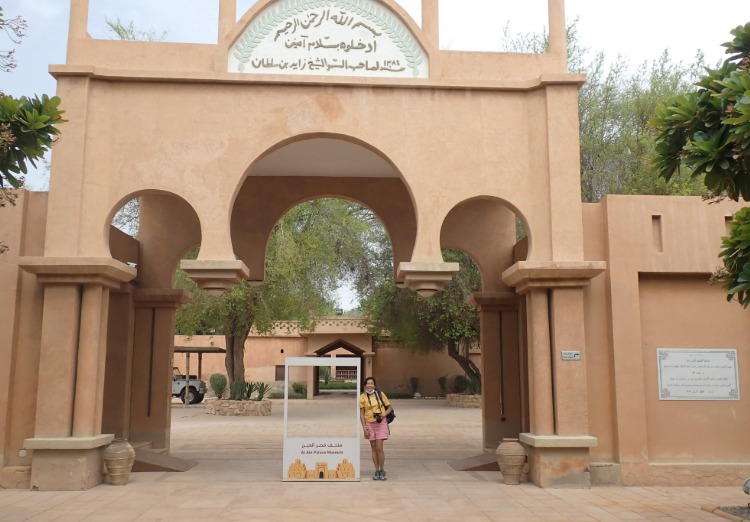
Al Ain Palace Museum is a historic cultural site in Al Ain that used to be the home of Sheikh Zayed bin Sultan Al Nahyan, the Founding Father of the United Arab Emirates. Built in 1937, it was later expanded and then converted into a museum in 2001 to preserve his life, leadership, and traditional Emirati lifestyle.
Opening Hours & Entry
The museum generally operates:
-
Tuesday–Sunday: ~08:30 AM – 07:30 PM
-
Friday: ~03:00 PM – 07:30 PM
-
Closed on Mondays.
Entry is free, so it’s a great budget-friendly cultural stop.
Al Ain Palace Museum: Where every room tells a royal tale
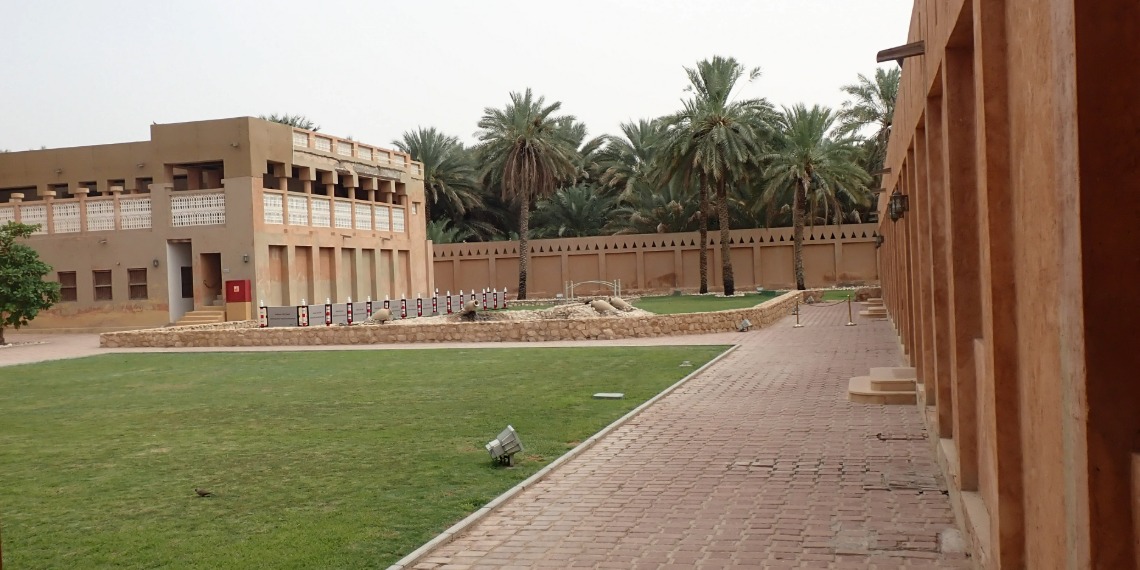
The Al Ain Palace Museum is located in the Central District of Al Ain on Hessa Bint Mohamed Street, so it’s easy to reach no matter where you are in the city.
If you’re coming by car, the drive is very easy and comfortable. Al Ain is well connected to Abu Dhabi and Dubai by wide highways, and clear road signs and GPS will lead you straight to the museum.
Taking a taxi or ride-hailing service is another great option. Taxis are easy to find around Al Ain, and most drivers already know the museum, so the ride is quick and stress-free.
Public buses also pass through the city, with stops located close to the museum. From there, it’s just a short walk to the entrance.
And if you’re already nearby, walking can be a lovely choice. From central Al Ain or the Al Jahili area, it takes about 15–20 minutes on foot, and along the way you can enjoy views of traditional buildings and the city’s heritage atmosphere.
A palace of stories, a home of heritage
What you’ll see inside the museum
Once you step inside Al Ain Palace Museum, you’ll feel like you’ve traveled back in time. Each room tells a story about Emirati life, family values, and leadership.
You can explore rooms of daily life, including family living areas that show how people lived in the 20th century. The furniture and layout are simple but meaningful, giving a real sense of everyday life in the past.
One of the most special areas is the majlis, or welcome hall. This is where guests were received, and it reflects the strong Emirati tradition of hospitality and respect.
You’ll also see a traditional desert tent, similar to the one Sheikh Zayed used to meet people. It’s colorful and welcoming, showing the Bedouin way of life and how leaders stayed close to the community.
In the courtyard, there’s a Land Rover display, like the vehicles Sheikh Zayed used to travel across the desert to visit citizens. It highlights how leadership was hands-on and connected to the people.
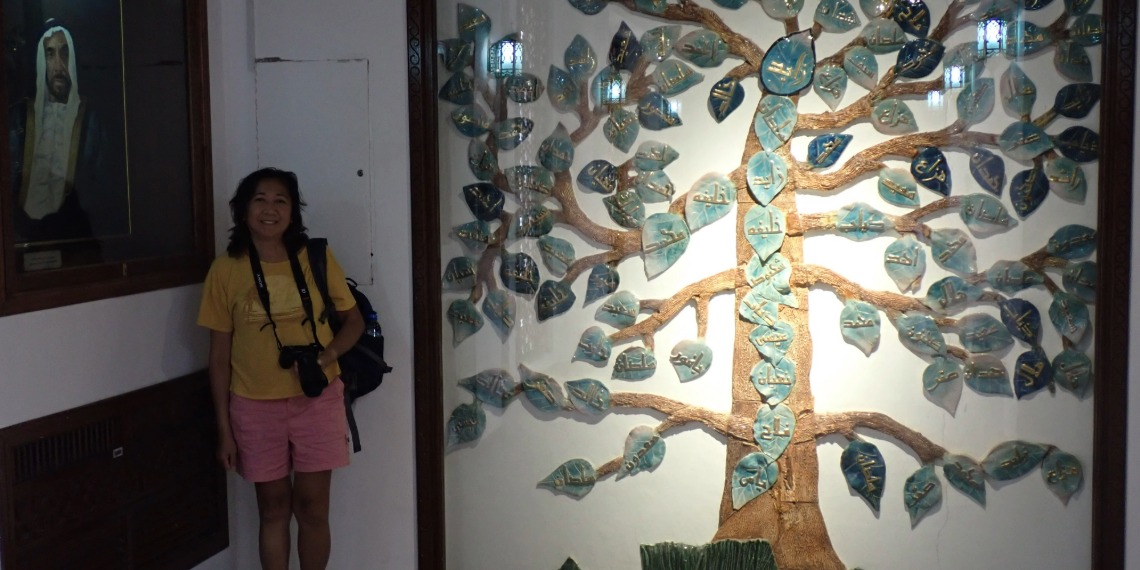
The museum also shares the story of the nation through the Al Nahyan family tree and gifts from the local community, which show love, respect, and strong social ties.
Some rooms are dedicated to education and learning, including spaces once used for Quran lessons, along with exhibits that explain local traditions and culture.
Al Ain Palace Museum: History preserved, legacy
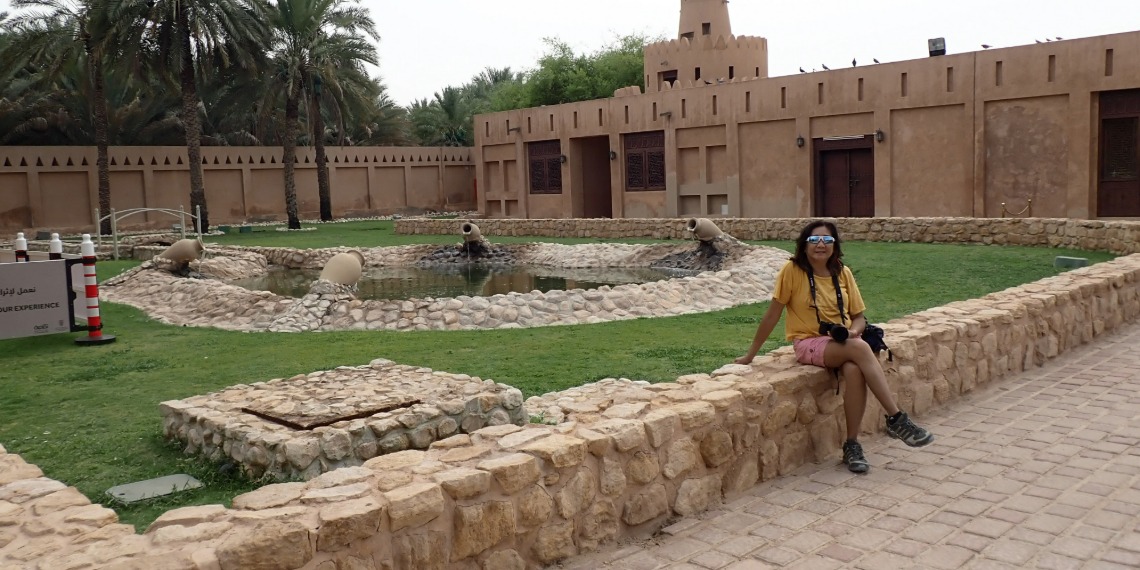
The palace is built using traditional materials like clay and adobe, with palm tree trunks supporting the roofs. Shaded verandas surround many of the rooms, offering protection from the sun and creating comfortable places to relax.
Echoes of leadership, elegance, and legacy
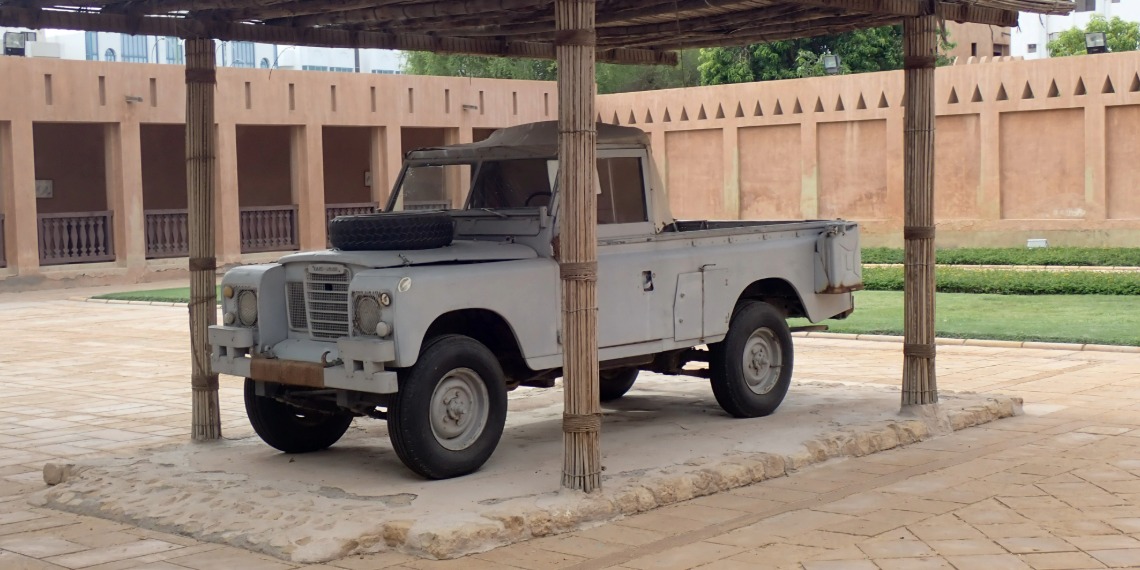
History preserved, legacy alive
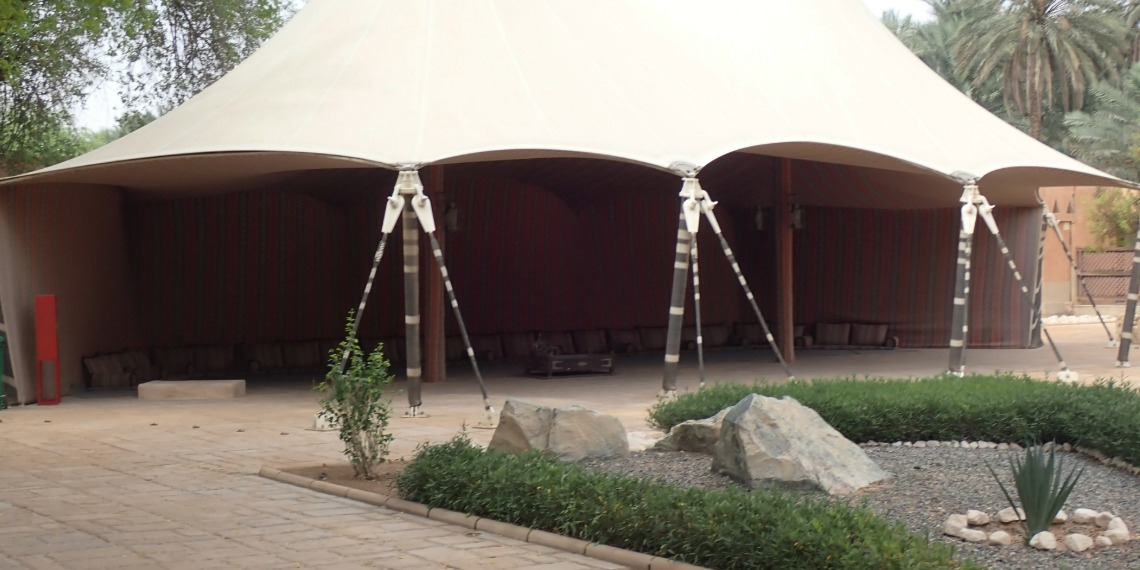
At Al Ain Palace Museum, you’ll also see a large replica of a traditional Bedouin-style tent. This special tent was used by Sheikh Zayed to welcome and receive his guests.
It represents the deep-rooted values of hospitality, generosity, and heritage in Emirati culture. Sitting in the tent, guests were treated with warmth and respect, reflecting the Bedouin way of life and Sheikh Zayed’s strong connection to his people and traditions.
Where the past whispers through every courtyard